
Existing production machinery
Review older, modified or relocated equipment where the original safeguarding basis is incomplete, outdated or no longer reflects current use.
Machinery safety assessment
A PUWER assessment should identify practical actions for the machine as it is installed and used—not produce a generic compliance score. We review hazards, guarding, access, controls, maintenance tasks and evidence so your team can prioritise proportionate improvements.
A PUWER assessment is a structured review of work equipment against the relevant duties in the Provision and Use of Work Equipment Regulations 1998. For machinery, the work normally examines suitability, condition, dangerous parts, controls, isolation, stability, maintenance, information and the way people actually operate or intervene. The output should separate urgent risk controls from planned improvements and clearly define any further design, testing or specialist work required.
Where this solution is used
The scope is developed from actual access, process and maintenance needs rather than a standard panel count.
Review older, modified or relocated equipment where the original safeguarding basis is incomplete, outdated or no longer reflects current use.
Check how the machine is installed, instructed and safeguarded before routine production begins, including access and control interfaces created on site.
Reassess equipment following a near miss, process change, guarding alteration, new product format or changed maintenance method.
Engineering decisions
These decisions interact. A change to stopping, door use, material flow or maintenance can alter the complete safeguarding concept.
Agree the machines, operating modes, users, environment and production tasks covered by the assessment.
Review access to moving parts, ejection, crushing, entanglement, cutting, drawing-in and other foreseeable hazards.
Examine fixed and movable guards, openings, fasteners, interlocks, locking, protective devices and opportunities for defeat.
Review stop functions, emergency stops, mode selection, reset positions, isolation and prevention of unexpected restart.
Consider wear, alignment, damaged panels, accumulated changes and the inspection regime needed to keep controls effective.
Record findings with risk-based priorities, photographs, ownership and a clear route from assessment to completed action.
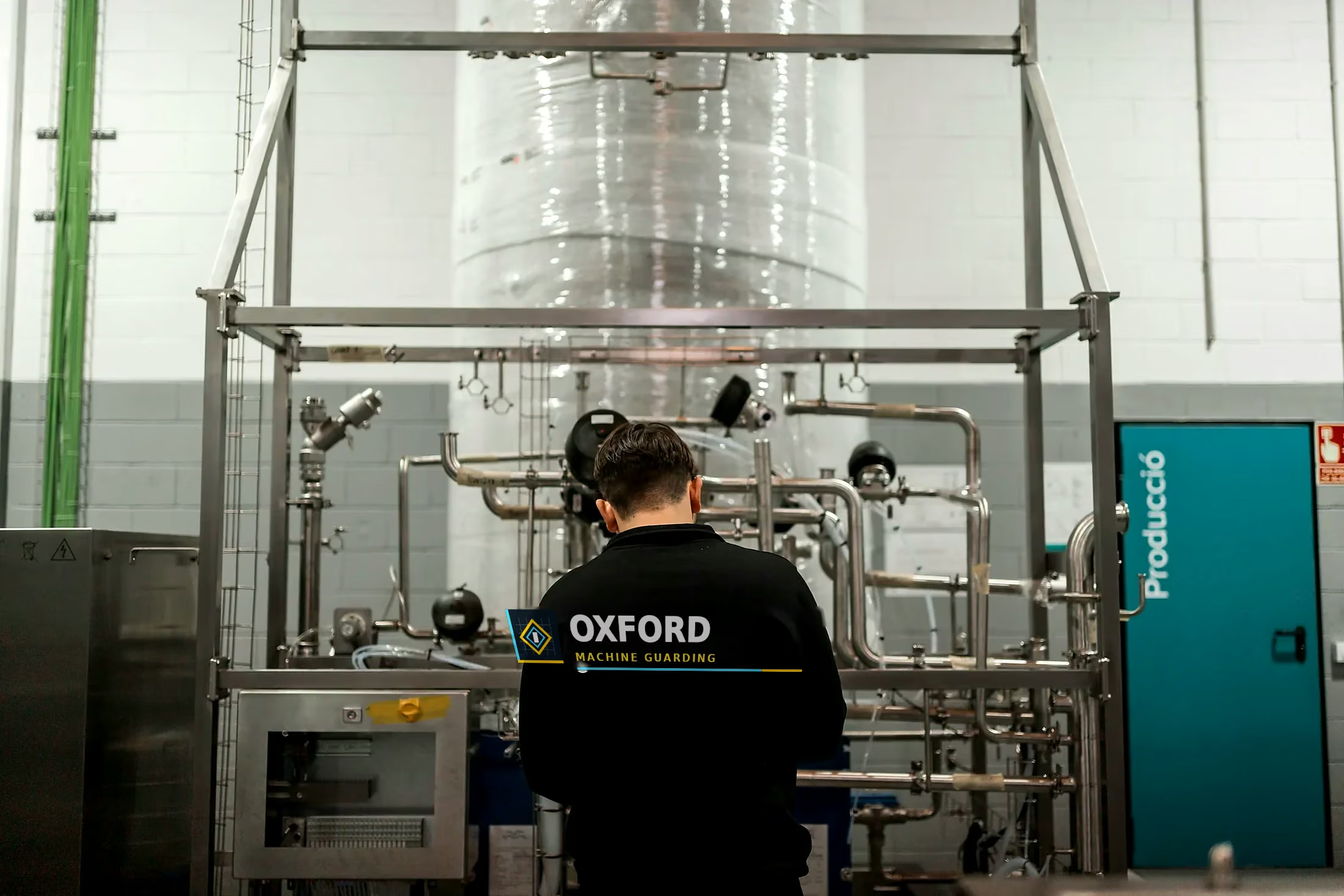
Site and application review
Typical project scope
Deliverables are agreed before work starts. We can support a defined component or take responsibility from site survey through design, installation and documented handover.
Start with the hazard, access task and stopping behaviour
Send photographs, a layout or a short description. We will help define the survey, design and integration scope.
