
Complementary protective measure
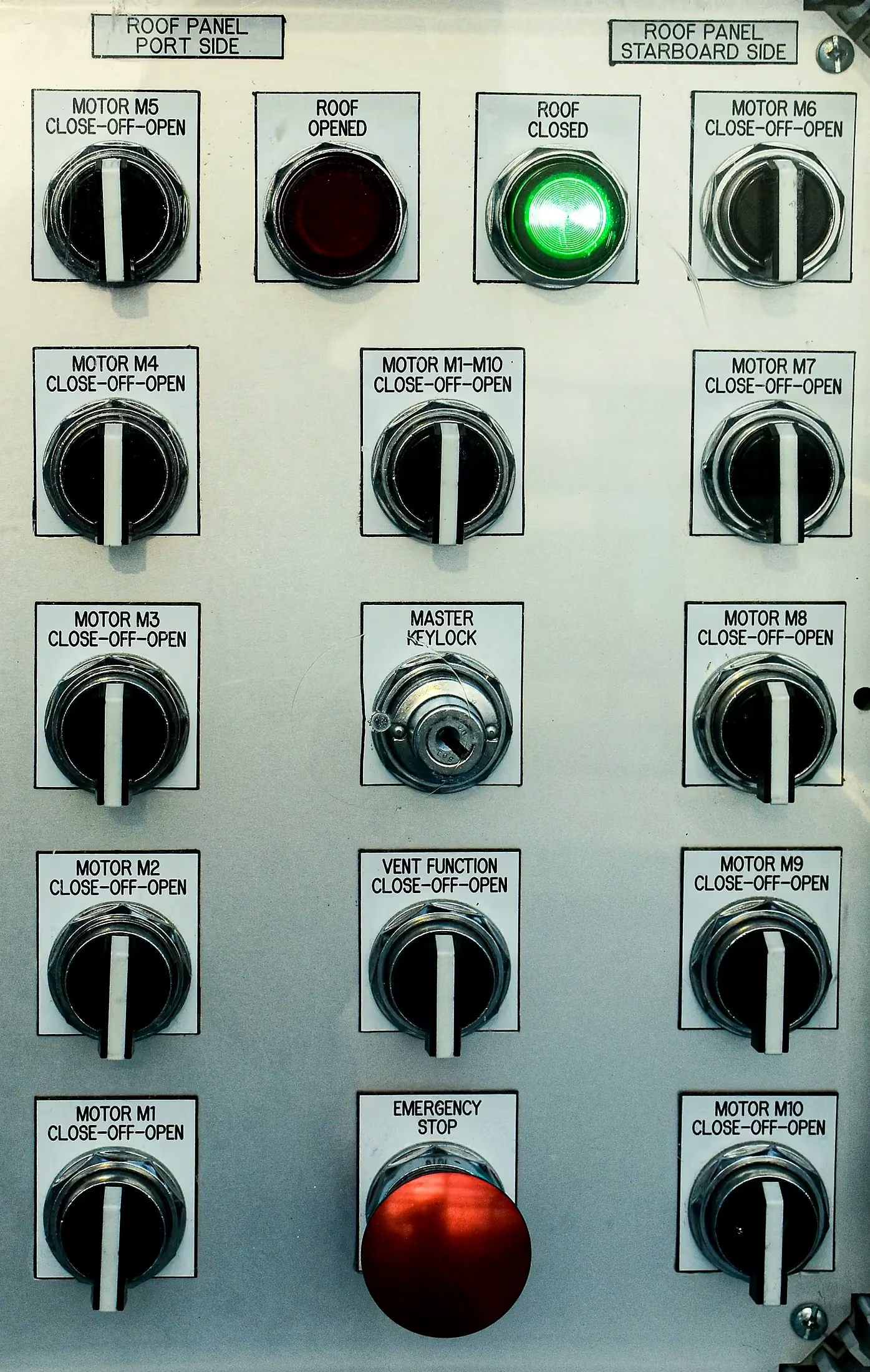
Emergency Stop Systems
Emergency stop devices allow a person to initiate a stop in an emergency. They complement—not replace—guards and other protective measures.
- Delivery
- Survey to handover
- Coverage
- Great Britain
- Application
- Project-specific
System intent
Designed around the task—not simply the available component.
Emergency stop devices allow a person to initiate a stop in an emergency. They complement—not replace—guards and other protective measures.
We develop the guarding arrangement in the context of machine movement, product flow, operator behaviour, cleaning and foreseeable intervention. The scope is then defined clearly for detailed engineering and installation.
Key engineering decisions
What the design needs to resolve.
These points are reviewed together because a change to access, stopping or production flow can alter the required safeguarding approach.
- 01
Location
Place devices where they are visible and reachable from operating, access and intervention positions.
- 02
Stop effect
Define which hazards, zones or linked machines the emergency stop affects.
- 03
Reset
Ensure reset does not by itself restart the hazardous movement.
- 04
Identification
Use clear actuator, background, labelling and status conventions appropriate to the site.
Application review
Design considerations.
- Operator and maintenance positions
- Long machines and multiple access sides
- Zone-based versus whole-line stop
- Pneumatic, hydraulic and drive response
- Reset and restart sequence
- Existing emergency-stop circuit condition
Typical project output
What can be included in the scope.
The precise deliverables are agreed before work proceeds and depend on whether the project covers mechanical guarding only or an integrated safety-system modification.
- Device-position review
- Actuator and enclosure selection
- Circuit integration
- Zone and restart testing
- Updated labels and drawings
- Recorded functional checks
