
Zone-based access
Define which hazardous movements must stop for each door or protected area without creating unnecessary whole-line downtime.
Industry application
Guarding for robotic cells, presses, assembly fixtures, test systems and component handling.
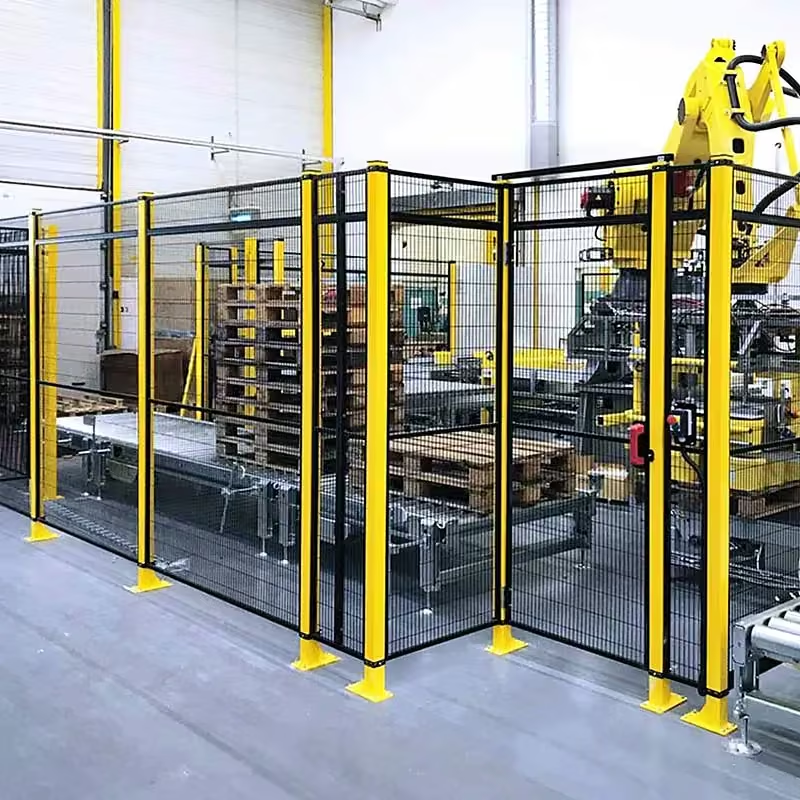
Automotive and component plants often combine robotic movement, fixtures, transfer lines, presses, welding, testing and manual loading. Safeguarding has to coordinate cell boundaries, material flow, maintenance access and complex operating modes.
Hazard profile
Applications
Design priorities
From machine to complete line
We can support a single access point, a machine retrofit or a coordinated safeguarding project across multiple items of equipment.
Application-specific priorities
Automotive cells often combine robots, presses, fixtures, conveyors and manual loading in tightly integrated layouts. High cycle rates and frequent fault recovery make access architecture and diagnostic clarity central to a successful guarding project.
Define which hazardous movements must stop for each door or protected area without creating unnecessary whole-line downtime.
Allow safe setup, fixture exchange and verification around changing parts and programs.
Protect fencing, controls and scanners from trolleys, pallets and vehicle movements.
Sector questions
Yes. We can work with site-specific specifications for colours, components, access hardware, controls and documentation, subject to project review.
Potentially, but zones, stopping interactions, access and restart control must be engineered so one intervention does not create risk elsewhere.
Yes. Trapped-key arrangements can be valuable for whole-body entry and retained-energy control when designed as part of the complete access procedure.
Start with the hazard, access task and stopping behaviour
Send photographs, a layout or a short description. We will help define the survey, design and integration scope.
